lifestyle
Santa Ana Transforms 12 Parks Into Vibrant Community Gathering Spaces
From urban densification to revitalized public corridors, the city’s relationship with outdoor leisure is undergoing a structural transformation.
How we reported this
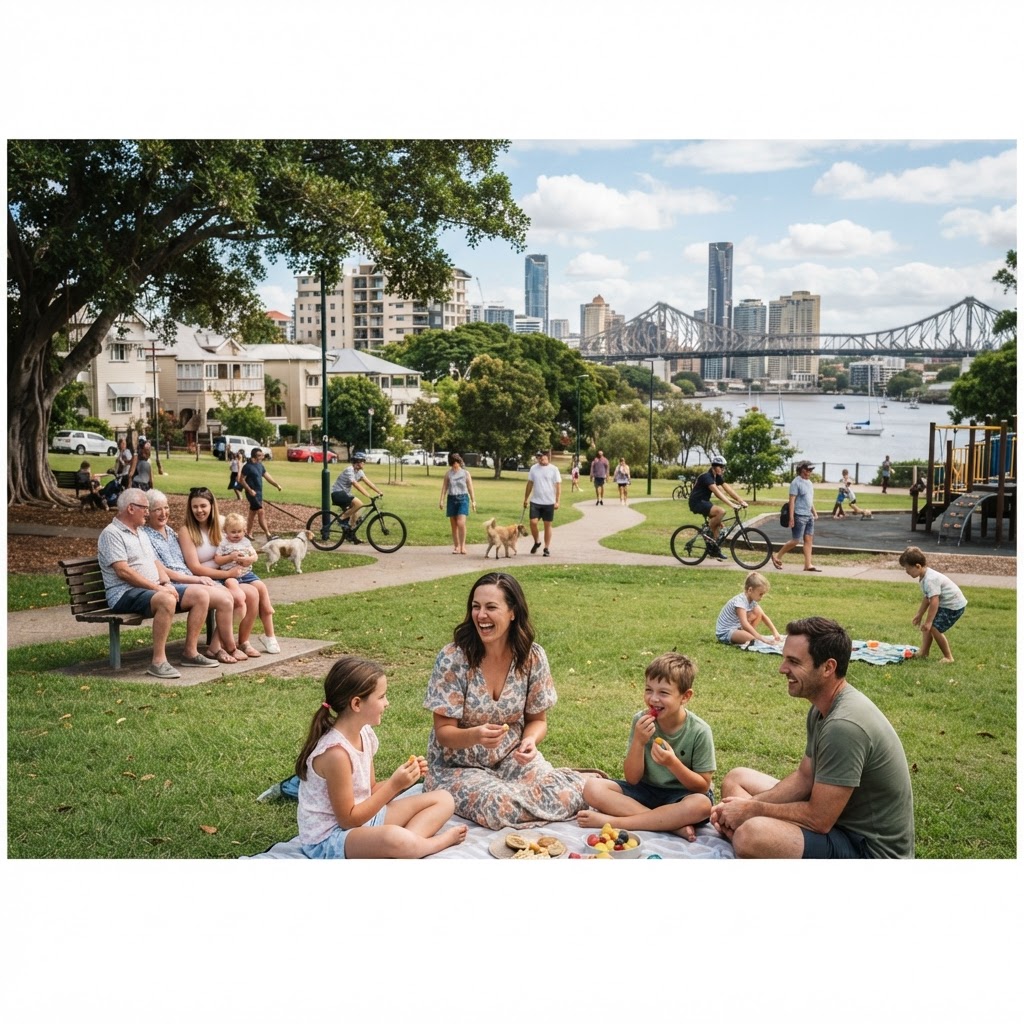
Santa Ana’s public landscape is shifting as city planners pivot away from traditional manicured lawns toward multifunctional, climate-resilient community hubs. The transition is most visible in the way residents interact with legacy spaces like Santiago Park and the smaller, high-density pocket parks scattered throughout the downtown core. This evolution marks a departure from the mid-century model of passive recreation, favoring a more integrated approach that blends environmental sustainability with the increasing demand for active outdoor programming.
The New Urban Corridor
The transformation is particularly evident along the Santa Ana River trail system, which has become a focal point for municipal investment and private interest. Organizations such as the Santa Ana Parks and Recreation Department have been working to modernize these pathways, moving beyond basic infrastructure to incorporate native landscaping designed to manage runoff and combat the region’s rising summer temperatures. This shift is not merely aesthetic; it represents a tactical effort to provide high-quality recreation within walking distance of higher-density residential developments emerging near West 5th Street and the historic French Park area.
Local advocacy groups and urban planners are now prioritizing connectivity over isolated green zones. By linking dispersed sites into a cohesive network, the city aims to mitigate the heat-island effect that has historically plagued the urban center. These corridors now serve as more than recreational paths; they are being repositioned as vital social infrastructure where residents congregate for weekend markets and evening transit. This pivot toward intensive, multi-use design mirrors broader trends observed in other densely populated global cities, where land scarcity demands that every square foot of public space performs several functions simultaneously.
Adapting to a Denser Future
Financial and logistical pressures continue to shape this development. According to the Santa Ana City Council’s latest budget reports, resource allocation for park maintenance and capital improvements has prioritized sites with the highest potential for community interaction and flood mitigation. These fiscal decisions are driven by a need to ensure that as the population grows, the available public space remains functional and accessible. The introduction of smart-irrigation technology and drought-tolerant planting palettes across city-managed assets reflects a broader administrative commitment to long-term sustainability despite limited water resources.
For those looking to navigate these changing spaces, the focus for the coming months will be on the continued phased upgrades at the city’s larger regional parks. Residents can expect to see further integration of permanent fitness equipment and improved lighting, which the city expects will encourage extended use into the cooler evening hours. Those planning visits are advised to check the official municipal park status boards for updates on temporary closures related to these ongoing site enhancements and landscape conversions.